- Vintage
- 2024
- Region
- Chianti DOCG / Italy
- Grape
- Sangiovese, Merlot
- Type
- red
- ABV
- 12.5%
- Volume
- 75cl
- Production
- Traditional
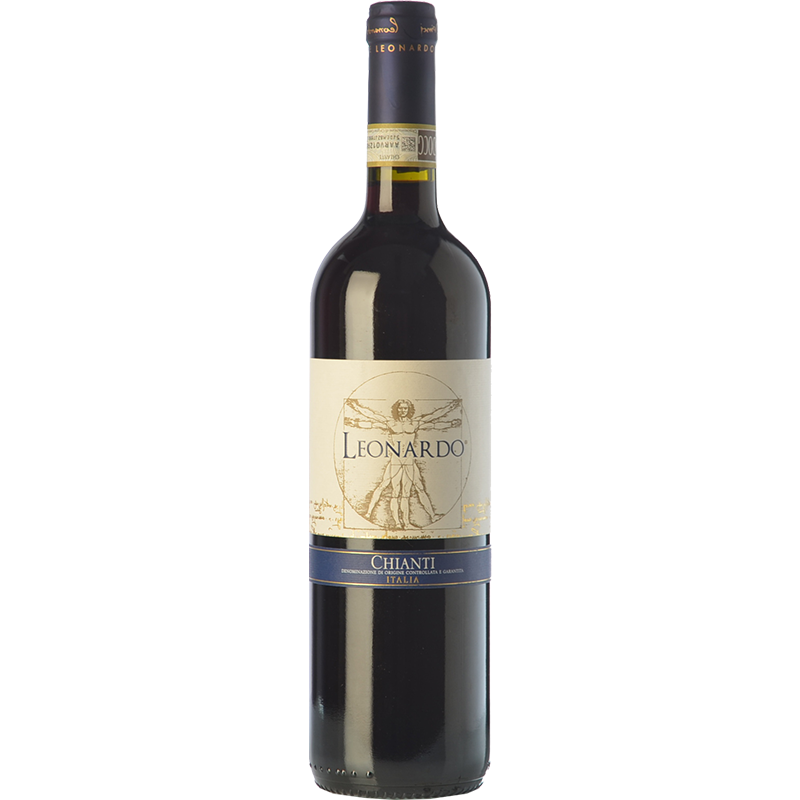
Leonardo Da Vinci Chianti Leonardo · 2024
Leonardo Da Vinci's Chianti Leonardo is one of the wines that most distinguishes and represents this winery. It has an intense purple colour; fruity notes of cherry intertwine with spicy hints of black pepper, creating an intense aromatic bouquet. The flavour is firm, with tannins at the forefront, but they are rather soft, not harsh. Pleasant and long on the palate, it has a good taste-olfactory structure, decidedly fine and with good persistence. It pairs perfectly with hearty red meat dishes and traditional Tuscan dishes.
Purplish red, Intense
Fruity, Cherries, Spicy notes, Black pepper, Highly aromatic
Assertive, Velvety tannins, Long, Fine, Persistent
Red meats, T-bone steak, Iberian pork
Serve between 16ºC and 18ºC
About the vineyard[+]
Buy Chianti Wine Online — Delivered to the UK Vinissimus stocks Chianti and Chianti Classico DOCG from some of Tuscany's most respected producers — Fontodi, Fèlsina, Antinori and Leonardo Da Vinci. From entry-level bottles under £20 to single-vineyard Riserva, with delivery across the UK and £10 off your first order. What is Chianti wine? Chianti is a DOCG red wine from Tuscany, made primarily from Sangiovese — one of Italy's most important red grapes. The wine takes its name from the Chianti hills between Florence and Siena, where the region was first formally defined in 1716 by the Grand Duke Cosimo III of Tuscany. The broader Chianti zone was extended significantly in the early 20th century, and in 1932, a ministerial decree separated the original historic territory with the Classico appellation. Today, Chianti and Chianti Classico are separate designations with distinct rules, styles and reputations. Chianti vs Chianti Classico — what is the difference? This is the question most buyers ask first. Chianti DOCG covers a large area across several Tuscan provinces. It ranges from lighter, everyday reds to more structured examples, with a minimum of 70% Sangiovese and the option to blend in other varieties, including Merlot and Cabernet Sauvignon. Chianti Classico DOCG is produced exclusively in the original historic zone between Florence and Siena. It requires a minimum of 80% Sangiovese and comes in three tiers: Annata: minimum one year ageing, the entry-level style Riserva: minimum two years ageing — more structured and complex, better for food and cellaring Gran Selezione: minimum 30 months ageing from a single vineyard or selected parcels — the top tier, comparable in ambition to other Italian DOCG flagships The Gallo Nero — the black rooster — on the neck label is the identifier for Chianti Classico. If it is not there, the wine is standard Chianti. What does Chianti taste like? Chianti is built on Sangiovese — a grape with naturally high acidity, firm tannins and red fruit at its core. Expect sour cherry, dried cranberry, plum and earthy notes, with hints of leather, dried herbs and tobacco developing with age. The acidity is one of Chianti's defining features — it makes the wine naturally food-friendly and gives it a freshness that heavier reds lack. Oak ageing adds spice and structure in Riserva and Gran Selezione bottles. Standard Chianti is approachable young. Chianti Classico Riserva benefits from 5–8 years of cellaring. Gran Selezione from top producers can age for 15 years or more. Key producers in this selection Fontodi: one of the most respected estates in Panzano in Chianti, producing benchmark Chianti Classico from Sangiovese — their Vigna del Sorbo single-vineyard Riserva is among the finest in the appellation. Fèlsina: based in Castelnuovo Berardenga, the southern edge of Chianti Classico. Known for structured, age-worthy wines with real depth and precision. Antinori: one of Tuscany's oldest wine families, producing the widely available Villa Antinori Chianti Classico Riserva — a reliable benchmark at a reasonable price. Leonardo Da Vinci: produces approachable, everyday Chianti at competitive prices — the Riserva is one of the best value bottles on the page. Chianti and food pairing Chianti's acidity and tannins make it one of the most food-friendly red wines available: Pasta with tomato-based ragù — the classic match Pizza, especially with meat toppings Grilled and roasted meats — lamb, pork, bistecca alla Fiorentina Aged hard cheeses — Pecorino Toscano, Parmigiano Reggiano Charcuterie and cured meats The acidity cuts through fat and tomato sauce equally well. It is one of the few reds that works across an entire Italian meal. FAQ What is the difference between Chianti and Chianti Classico? Chianti is a broader DOCG covering several Tuscan provinces. Chianti Classico is the original historic zone between Florence and Siena, with stricter rules, higher minimum Sangiovese content and three quality tiers — Annata, Riserva and Gran Selezione. The black rooster on the label identifies a Chianti Classico. What does Chianti taste like? Sour cherry, dried cranberry, plum and earthy notes, with high acidity and firm tannins. Riserva and Gran Selezione develop leather, spice and tobacco with age. The acidity is the defining feature — it makes Chianti one of the most food-friendly reds available. What food pairs with Chianti? Pasta with tomato ragù, pizza, grilled meats, bistecca alla Fiorentina and aged Tuscan cheeses. The acidity works with tomato-based dishes in a way that most other reds cannot. Is Chianti only made from Sangiovese? Primarily, yes — a minimum of 70% Sangiovese for standard Chianti and 80% for Chianti Classico. Other varieties including Merlot, Cabernet Sauvignon and Canaiolo can be blended in, though the best Chianti Classico producers use 100% Sangiovese. How long does Chianti last? Standard Chianti is best within 3–5 years. Chianti Classico Riserva can age well for 8–12 years. Gran Selezione from top producers can develop for 15 years or more from the vintage.