- Vintage
- 2019
- Region
- Conca de Barberà / Spain
- Grape
- Garnacha
- Type
- red
- ABV
- 14%
- Volume
- 75cl
- Aging
- Young with Ageing
- Production
- Traditional
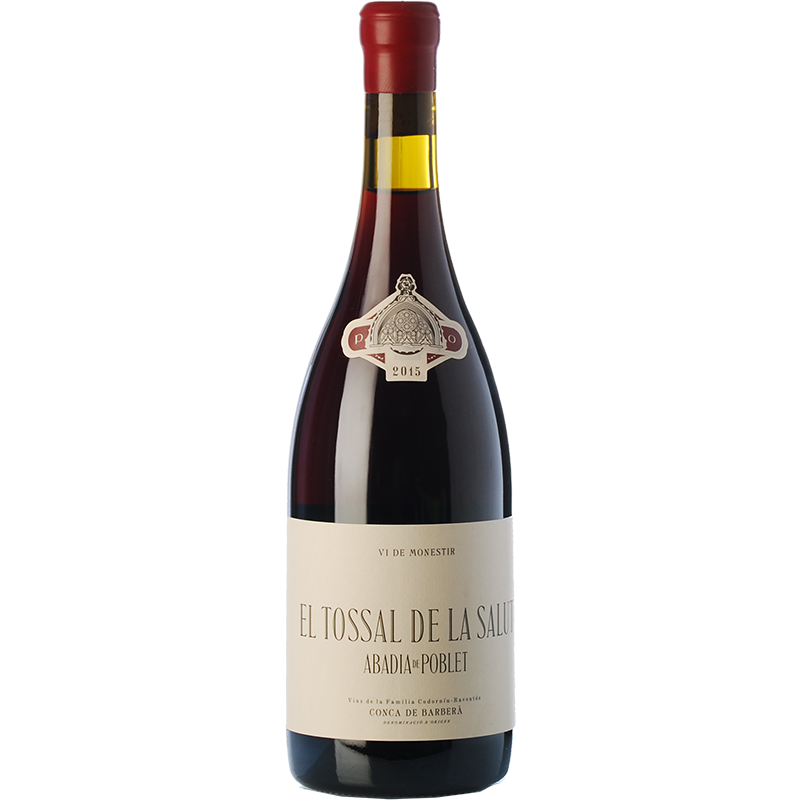
El Tossal de la Salut · 2019
El Tossal de la Salut is the first single-variety Grenache wine made in the Conca de Barberà, an appellation where this grape variety had virtually disappeared until recently. Made from grapes cultivated at an altitude of 700 metres in the Prades mountains separating the Priorat from the Conca de Barberà region, El Tossal de la Salut aims to reflect the typicity of the grapes from this area and faithfully express the landscape the vines grow in. According to Rofes, oenologist of the Scala Dei and Abadia de Poblet cellars, the 1000 bottles produced exemplify the artisanal method used by the Abadia de Poblet cellar — "a method which recovers processes used for centuries by the Cistercian monks from Burgundy who founded the Poblet monastery". Whole bunches of grapes are fermented with native yeasts in concrete tanks, and then aged there for 14 months. The resulting wine is an exuberant Grenache with plenty of fruit; a spiced wine with a juicy palate and bright tannins. All in all, El Tossal de la Salut is an excellent gastronomic partner. This wine is produced in a traditional handcrafted way faithfully respecting old customs and the unique surroundings it is produced in.
Cherry red
Highly aromatic, Spices, Balsamic aromas, Incense, Red fruit
Fresh, Juicy, Elegant, Long
Meats with creamy sauces, Grilled meats, Grilled beef
Serve between 15ºC and 17ºC
About the vineyard[+]
In keeping with many Spanish wine-growing regions, after the Arab involvement, it was the monasteries that gave an impetus to the cultivation of vines. In this region in particular, the impressive Monasterio de Poblet was responsible for the reintroduction of vine growing. Another important point is that this was the district where in 1894, and as a direct result of wanting to restore vines after the phylloxera epidemic, the community's first wine-producing cooperative was established. Today the region boasts as many as six splendid cooperatives with buildings constructed at the beginning of the 20th Century in the modernist style. The DO Cava allows this product to be made here, along with base wine for other Cavas produced in the region, and a large number of the grapes grown are destined for this purpose. Even so, many wineries have decided to opt for creating quality still wines using foreign varieties blended with indigenous ones. The locally-grown, native Trepat grape is especially important in the production of characterful rosés, apart from being the base for many rosé Cavas. Located in the north of Tarragona province (Mediterranean climate) and bordering on the Lleida plain (Continental climate), the region receives protection from the mountain ranges that filter the influences of the two climates, thereby obtaining the best of both. The soil lacks any calcareous content and there is a marked contrast in the day and night-time temperatures, assuring the quality of the grapes.